
Table of Contents
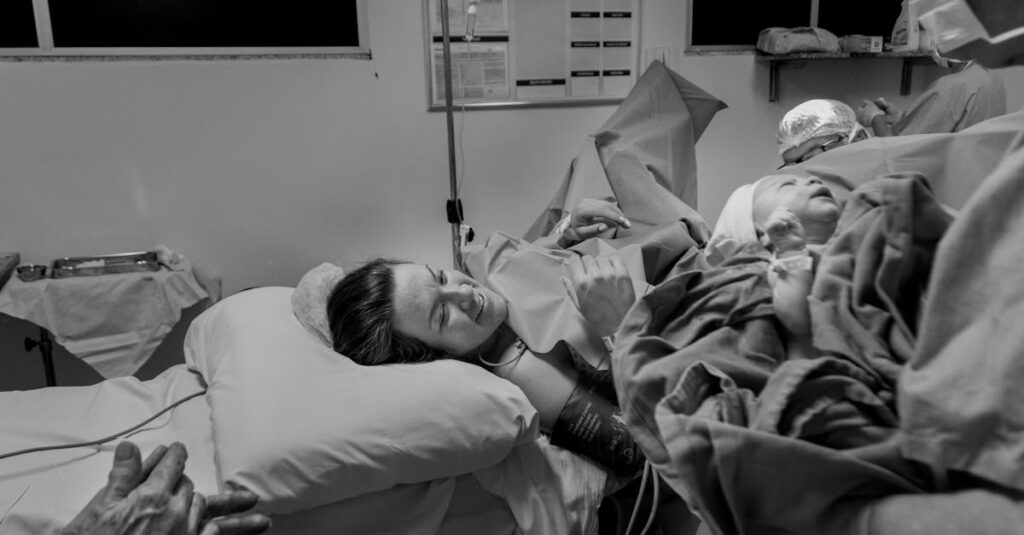
ToggleVaginal birth recovery might not be the most glamorous topic, but it’s a journey every new mom faces—complete with its own set of surprises. Think of it as a marathon, but instead of a medal, you get a lifetime supply of baby snuggles and a few unexpected side effects. From the joy of meeting your little one to the not-so-joyful realities of healing, this phase can feel like a rollercoaster ride.
Understanding Vaginal Birth Recovery
Vaginal birth recovery involves several physical and emotional changes that new mothers navigate after childbirth. Recognizing these shifts can enhance the understanding of postpartum experiences.
The Physical Changes
Healing from a vaginal birth includes various physical changes that may affect a mother’s daily routine. The body undergoes significant adjustments, such as uterine contractions, which help the uterus return to its pre-pregnancy size. Swelling and soreness in the perineal area often occur, particularly after tearing or an episiotomy. Many mothers experience lochia, a vaginal discharge that contains blood and mucus, lasting from a few days to several weeks. Sleep patterns also fluctuate due to fatigue from caring for a newborn. Prioritizing self-care and following medical advice promotes healing and recovery during this vital time.
The Emotional Journey
Mothers may encounter a rollercoaster of emotions in the weeks after vaginal birth. Feelings of joy and excitement can coexist with anxiety and sadness. Hormonal fluctuations significantly impact mood stability. Many women experience “baby blues,” characterized by temporary sadness and emotional overwhelm. Support from family and friends can aid in navigating these feelings. Seeking professional help might be necessary for those experiencing persistent sadness or symptoms of postpartum depression. Understanding these emotional changes fosters resilience and connection during this transformative period.
Immediate Postpartum Care
Immediate postpartum care focuses on the physical and emotional well-being of new mothers. They encounter several changes requiring attention and support.
Essential Self-Care Tips
Prioritize rest to facilitate recovery. Engage in gentle movement, such as walking, to enhance circulation. Stay hydrated by drinking plenty of water, as this aids in healing. Nourishing the body with balanced meals supports overall health. Perineal care is vital; use cold packs for swelling and medicated pads as needed. Seek help when feeling overwhelmed; support from family and friends can ease stress. Identify personal needs, whether it’s time alone or emotional reassurance, to foster well-being.
Recognizing Complications
Watch for signs of complications that may arise during recovery. Fever above 100.4°F warrants immediate medical attention. Heavy bleeding, characterized by soaking through a pad in an hour, requires a healthcare provider’s assessment. Severe pain that doesn’t improve with medication can indicate underlying issues. Symptoms of infection, like foul-smelling discharge or increased swelling, should be reported. Additionally, persistent feelings of sadness or anxiety may necessitate professional support. Keep informed about these warning signs to ensure a smoother recovery journey.
Long-Term Recovery Considerations
Vaginal birth recovery extends well beyond the initial postpartum phase. Emphasis on long-term considerations is crucial for both physical and emotional well-being.
Pelvic Floor Health
Pelvic floor health plays a pivotal role in long-term recovery. Weakness in the pelvic muscles can lead to complications like incontinence and pelvic pain. Engaging in pelvic floor exercises, such as Kegels, strengthens these muscles and supports overall recovery. It’s essential to seek guidance from a healthcare provider to determine appropriate exercises based on individual needs. Regular check-ins with a specialist can ensure ongoing health. Over time, focusing on this area fosters improved posture and reduces the risk of future issues.
Mental Well-Being
Mental well-being significantly influences overall recovery after vaginal birth. Hormonal changes can spark a range of emotions, from joy to sadness. Establishing a support system proves beneficial; friends and family can provide encouragement during challenging times. Participation in support groups often enhances feelings of connection. Seeking professional help, such as counseling, can address persistent emotional challenges. Practicing mindfulness techniques, including deep breathing exercises, promotes emotional balance. Focusing on mental health fosters resilience throughout motherhood.
Support Systems for New Mothers
Support systems play a crucial role in the recovery journey of new mothers. Building a network of assistance can significantly aid both physical and emotional healing.
Role of Partners and Family
Partners offer crucial emotional support during recovery. Engaging in daily tasks helps alleviate stress and allows mothers to focus on healing. Family members can provide practical help, such as preparing meals or caring for older siblings. A supportive environment fosters better communication, enabling mothers to express their needs and feelings. Emotional reassurance from loved ones promotes resilience against postpartum challenges. Understanding this interaction strengthens family bonds and enhances the overall recovery experience.
Support Groups and Resources
Support groups provide valuable connections for new mothers. Sharing experiences can help reduce feelings of isolation and anxiety. Many community organizations offer resources, including local moms’ groups and online forums. Health care providers often recommend these groups to ensure mothers access additional support. Social media platforms can also host virtual communities where mothers share advice and encouragement. Utilizing these resources enhances emotional well-being and empowers mothers throughout their recovery journey.
Vaginal birth recovery is a profound journey filled with both challenges and triumphs. New mothers navigate a complex landscape of physical healing and emotional adjustment. Emphasizing self-care and seeking support can significantly enhance this experience.
Recognizing the importance of pelvic floor health and maintaining open communication with healthcare providers ensures ongoing well-being. Building a strong support system fosters resilience and connection, helping mothers feel less isolated.
Ultimately, embracing this transformative period with patience and understanding can lead to a fulfilling recovery, allowing new mothers to bond with their babies while prioritizing their own health.