
Table of Contents
ToggleTravel hacks for beginners can transform a stressful trip into a smooth adventure. New travelers often overspend, overpack, and miss simple tricks that seasoned explorers use daily. The good news? These strategies aren’t secrets, they’re practical habits anyone can adopt.
This guide covers essential travel hacks for beginners who want to stretch their budget and reduce hassle. From booking flights at the right time to breezing through airport security, these tips will help first-time travelers feel confident. Whether planning a weekend getaway or a two-week vacation, these strategies make every journey easier.
Key Takeaways
- Travel hacks for beginners start with flexible planning—flying on Tuesdays and visiting destinations during shoulder season can save 30% or more on costs.
- Book flights 6-8 weeks ahead for domestic trips and use incognito mode to avoid price increases from tracked searches.
- Pack light using a capsule wardrobe and stick to carry-on luggage to save $30-60 per flight and avoid lost baggage stress.
- TSA PreCheck ($78 for five years) significantly speeds up airport security and is one of the best travel hacks for beginners who fly frequently.
- Avoid airport currency exchanges and tourist-area restaurants—use bank ATMs and eat where locals eat for better rates and food.
- Download offline maps, translation apps, and keep digital copies of important documents to stay prepared throughout your trip.
Plan Ahead and Stay Flexible
Smart planning saves money and stress. Travelers who research their destination beforehand avoid tourist traps and find better deals. But here’s the catch, rigid itineraries often backfire.
Start by setting a realistic budget. Include flights, accommodation, food, activities, and a buffer for unexpected expenses. Most beginners underestimate daily costs by 20-30%, so padding the budget prevents mid-trip panic.
Flexibility is one of the best travel hacks for beginners. Flying on a Tuesday instead of Friday can cut airfare by 30% or more. Visiting popular destinations during shoulder season (just before or after peak times) means smaller crowds and lower prices. Paris in early May? Much cheaper than July, and the weather’s often just as nice.
Create a loose itinerary rather than a minute-by-minute schedule. List must-see attractions, but leave room for spontaneous discoveries. Some of the best travel memories come from unplanned detours, a local restaurant recommendation or a street festival stumbled upon by accident.
Download offline maps before departure. Google Maps allows users to save specific areas for offline use. This simple step prevents getting lost when cellular data isn’t available.
Book Smarter to Save Money
Booking strategies separate budget travelers from those who overpay. A few simple travel hacks for beginners can save hundreds on a single trip.
Book flights 6-8 weeks before domestic trips and 2-3 months before international ones. Tuesday and Wednesday afternoons often show the lowest prices, though this varies by route. Use incognito mode when searching, some sites track visits and raise prices for repeat searchers.
Price comparison tools like Google Flights, Skyscanner, and Kayak show options across multiple airlines. Set price alerts for specific routes to catch drops. Sometimes waiting a week saves $100 or more.
Consider alternative airports. Flying into a smaller airport 30 miles from the main city often costs significantly less. The savings usually outweigh ground transportation costs.
For accommodation, look beyond traditional hotels. Hostels offer private rooms at budget prices. Vacation rentals work well for longer stays, especially with kitchen access to cook some meals. Booking directly with hotels sometimes beats third-party sites, many properties offer price-matching plus perks like free breakfast.
Travel rewards credit cards deserve attention. Many offer sign-up bonuses worth $500-$1,000 in travel. Even without bonuses, earning 2-3% back on travel purchases adds up quickly.
Pack Light and Efficiently
Overpacking plagues most beginners. Heavy bags slow travelers down, cost extra in checked bag fees, and create stress. Learning to pack light ranks among the most valuable travel hacks for beginners.
The capsule wardrobe approach works wonders. Choose neutral colors that mix and match, three bottoms, five tops, and two outer layers cover most week-long trips. Roll clothes instead of folding to save space and reduce wrinkles.
Packing cubes organize belongings and compress clothing. They also make finding items easier without digging through an entire bag. A small dirty clothes bag keeps worn items separate.
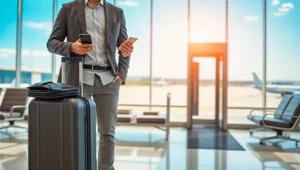
Stick to carry-on luggage when possible. This eliminates checked bag fees ($30-60 per flight on many airlines), removes the risk of lost luggage, and speeds up arrival. Most travelers can manage a week-long trip with a 22-inch carry-on and a personal item.
Essential items to never forget:
- Phone charger and portable battery pack
- Universal power adapter for international trips
- Basic first aid supplies and any medications
- Copies of important documents (digital and paper)
- A reusable water bottle
Wear bulky items during transit. Boots, heavy jackets, and layers on the plane keep the bag lighter.
Navigate Airports Like a Pro
Airports stress many new travelers. These travel hacks for beginners turn airport time from frustrating to efficient.
Arrive 2 hours early for domestic flights and 3 hours for international. This buffer accounts for security lines, unexpected delays, and gate changes. Better to wait at the gate than sprint through terminals.
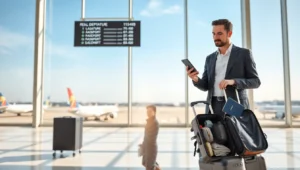
Mobile check-in saves time. Most airlines allow check-in 24 hours before departure. Download boarding passes to a phone wallet for quick access. Some airports now offer expedited security lanes for travelers without checked bags.
TSA PreCheck or Global Entry speeds up security significantly. PreCheck costs $78 for five years and eliminates removing shoes, laptops, and liquids. Global Entry ($100) includes PreCheck plus faster customs re-entry from international trips. Many travel credit cards reimburse these fees.
Know the liquid rules: containers must be 3.4 ounces or smaller, all fitting in one quart-sized clear bag. Pack this bag at the top of carry-on luggage for easy removal at security.
Airport lounges aren’t just for business travelers. Day passes cost $30-50 and include food, drinks, WiFi, and comfortable seating. During long layovers, this often beats expensive airport restaurants. Some credit cards include free lounge access.
Stay hydrated. Air travel dehydrates the body. Bring an empty water bottle through security and fill it at a fountain before boarding.
Make the Most of Your Destination
Arriving prepared helps travelers maximize their time. These travel hacks for beginners ensure smooth experiences once the plane lands.
Download essential apps before departure. Translation apps like Google Translate work offline when language packs are pre-downloaded. Local transit apps show bus and subway routes. Currency converter apps prevent math mistakes during purchases.
Avoid currency exchange kiosks at airports, they charge terrible rates. Use ATMs affiliated with major banks for the best exchange rates. Notify banks of travel plans beforehand to prevent card freezes.
Eat where locals eat. Restaurants near major tourist sites typically charge premium prices for average food. Walk a few blocks away and prices drop while quality improves. Ask hotel staff or locals for recommendations, they know the good spots.
Free walking tours exist in most major cities. Guides work for tips, so travelers pay what they feel the tour was worth. These tours provide historical context and insider tips that guidebooks miss.
Public transportation beats taxis in most cities. It’s cheaper, often faster, and offers authentic local experiences. Many destinations sell multi-day transit passes that save money over individual tickets.
Keep digital copies of all important documents, passport, ID, insurance cards, and itinerary. Store them in cloud storage accessible from any device. If originals get lost or stolen, these copies speed up replacement.