Imagine a financial tool that allows you to stay in your home while enjoying the cash flow you need for your retirement or other life ventures. A reverse mortgage might just be the golden ticket to achieving that financial freedom you’ve always dreamed of. But wait, before jumping headfirst, let’s break it down. Is a reverse mortgage the right path for everyone, or is it a one-way ticket to confusion? Grab your favorite snack and let’s jump into the world of reverse mortgages, where clarity meets opportunity.
Understanding Reverse Mortgages
What Is a Reverse Mortgage?
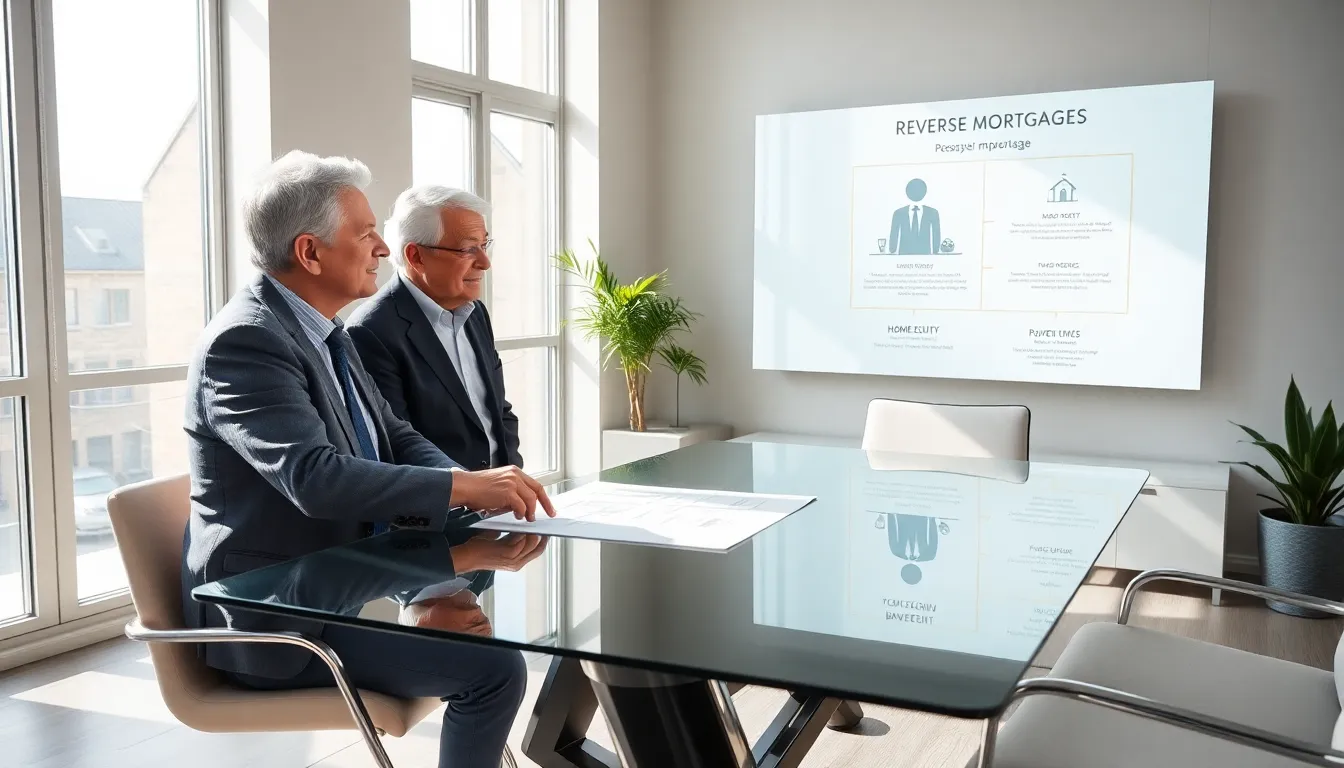
A reverse mortgage is a special type of home loan specifically designed for older homeowners. It allows them to convert part of the equity in their homes into cash. Instead of making monthly payments to a lender, the lender pays the homeowner. Sounds like a dream, right? Just keep in mind, the loan needs to be paid back eventually, typically when the homeowner sells the house, moves out, or passes away.
How Does a Reverse Mortgage Work?
Ever wonder how many beans you’d need to count before making sense of all this? Here’s how it essentially works. Homeowners aged 62 or older can take out a reverse mortgage based on their home’s equity. The amount available depends on several factors, including the homeowner’s age, the home’s value, and prevailing interest rates. Payments can be received in various forms: a lump sum, monthly installments, or a line of credit. So, essentially, it’s like finding treasures in your attic that you didn’t know existed, only this treasure can help pay the bills.
Types of Reverse Mortgages
Reverse mortgages are not all cut from the same cloth. Here are the main types:
- Home Equity Conversion Mortgage (HECM): This government-insured option is the most common type. It offers flexibility and security, ideal for most homeowners.
- Proprietary Reverse Mortgages: These are private loans, usually offered by banks, and may allow for larger loan amounts than HECMs, catering to those with higher-value homes.
- Single-Purpose Reverse Mortgages: Designed for a specific purpose such as home repairs or property taxes, these loans are typically offered by state or local government agencies and often come with lower costs.
Eligibility Requirements for Reverse Mortgages
Navigating the eligibility requirements can seem like deciphering hieroglyphics at times. But it’s straightforward:
- You must be at least 62 years old.
- The home must be your primary residence.
- You should have sufficient equity in your home.
- You must meet financial criteria, which often involve income and credit assessments.
Eligibility requirements vary, so it’s wise to check the specifics with potential lenders.
Benefits of Reverse Mortgages for Financial Freedom
Reverse mortgages can be a game-changer in several ways:
- Increased Cash Flow: By tapping into home equity, retirees can enjoy a comfortable lifestyle without the burden of monthly mortgage payments.
- Flexibility: The funds can be used for various purposes, whether it’s medical expenses, travel, or home improvements, you decide.
- No Monthly Payments: With a reverse mortgage, homeowners aren’t required to make monthly payments, freeing up cash for other needs.
- Stay in Your Home: Perhaps the most comforting benefit is the ability to remain in your home while still accessing funds.
Common Concerns and Myths About Reverse Mortgages
Like the mysterious last piece of pizza at a party, reverse mortgages come with their share of concerns and myths:
How to Get Started with a Reverse Mortgage
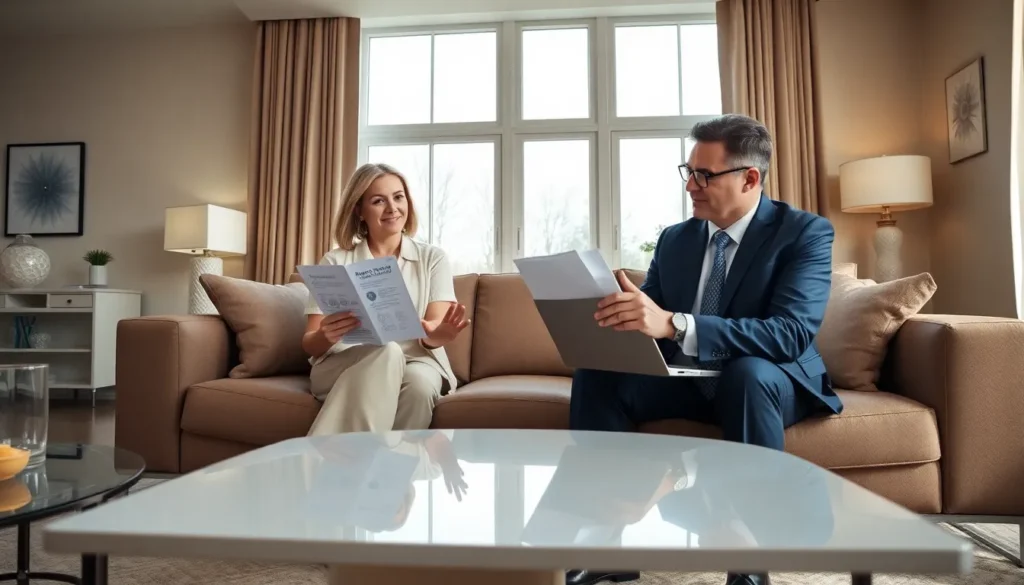
The first step? It’s essential to research and consult with professionals. Talk to licensed lenders or financial advisors who specialize in reverse mortgages. Be sure to take advantage of the mandatory counseling sessions that explain the ins and outs.
Choosing the Right Lender
It’s paramount to select a lender who not only understands the market but has your best interests at heart. Check their legitimacy, rates, customer service, and even customer reviews to gauge their reputation.
Important Considerations Before Applying
Before signing any documents, consider the following:
- Costs: Reverse mortgages may come with fees, including closing costs and insurance premiums. Calculate these to better understand your financial commitment.
- Impact on Heirs: If the homeowner passes away, the loan must be repaid. This could affect heirs and their inheritances.
- Long-Term Implications: Ensure to consider the long-term effects on equity, as it diminishes over time.
Exploring Alternatives to Reverse Mortgages
Not everyone is suited for a reverse mortgage. Here are a few alternatives to consider:
- Home Equity Loans/Lines of Credit: For those who prefer monthly payments, these options allow homeowners to borrow against their home equity while still retaining ownership.
- Downsizing: Selling the current home and buying a smaller one can provide cash inflow and reduce housing costs.
- Government Programs: Various assistance programs are available for seniors, depending on location and need. Researching these can offer less risky solutions.